The Studio Deal: Why an Athlete's Podcast Might Be a Smarter Buy Than Their Jersey Patch
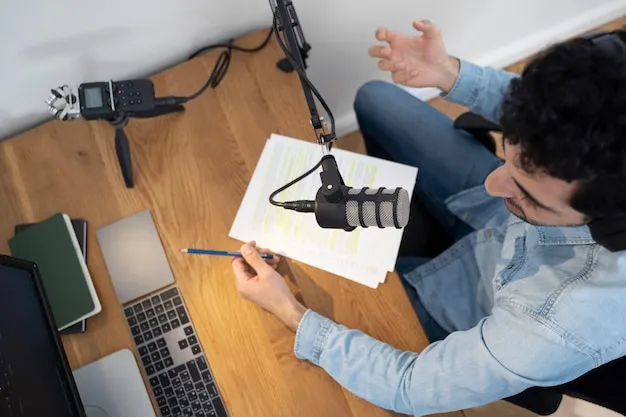
Photo: athlete recording podcast in studio with microphone, via img.freepik.com
Let's be honest — for decades, the athlete sponsorship playbook had exactly one page: slap your logo on the jersey, the sideline board, or the postgame press conference backdrop. Pay for proximity to greatness, hope the cameras catch it, repeat.
That playbook is officially obsolete. The smartest money in sports marketing right now isn't going to jersey patches or stadium naming rights. It's going to the basement studio where an athlete hits record once a week and talks to a microphone.
The Athlete Is Now the Network
Look at what's happened over the last few years. Travis and Jason Kelce turned New Heights into one of the biggest shows in America — a podcast that broke Super Bowl storylines, launched a merch machine, and arguably did more for the NFL's cultural moment than a season of network promos. Kevin Durant built a media operation. CJ McCollum runs shows. Retired stars like JJ Watt and Ryan Fitzpatrick slid straight from the field into media roles they partly own.
This isn't a side hustle anymore. Athletes are building production companies, hiring staff, selling advertising, and — critically — controlling their own distribution. They don't need ESPN to reach eight million people. They have eight million subscribers.
For brands, that changes the math entirely.
Why the Podcast Beats the Patch
Here's the pitch we make to clients at Synergy Group: a jersey patch buys you visibility. An athlete-led media property buys you context.
Think about the difference. A logo on a chest is seen for a split second, often blurry, always at the mercy of the broadcast director. A podcast read or an integrated segment is delivered in the athlete's own voice, to an audience that chose to be there, for thirty to sixty minutes at a time. That's not an impression — that's a relationship.
And the host's credibility transfers. When Kelce raves about a product on New Heights, it doesn't feel like an ad read. It feels like a buddy's recommendation. No broadcast placement can buy that authenticity at any price.
There's also the consistency problem with traditional placement. A patch only earns value when the team is on TV, and it disappears the moment your athlete gets traded, benched, or injured. A media company records every week, rain or shine, playoffs or purge. The asset keeps producing whether the athlete is playing or not.
Three Ways In
So how does a brand actually get in the room? There are basically three doors, and they come at very different price points.
The advertiser route. This is the classic podcast play — sponsor reads, ad spots, presenting sponsorships of a segment. It's the easiest entry, it's measurable, and it scales. If you're testing the waters with an athlete's audience, start here.
The co-production route. This is where it gets interesting. Instead of buying ads on an existing show, partner with the athlete to build something new — a series, a documentary, a vertical video franchise — and own a piece of it. The athlete brings the face and the audience; you bring the budget and the brand brief. Done right, you're not a sponsor, you're a collaborator, and the content lives on YouTube and TikTok long after a 30-second spot would've evaporated.
The equity route. The boldest move: take a stake in the athlete's media company itself. When a show has real growth trajectory, early capital can buy in at valuations that look laughable two years later. This is venture logic applied to sponsorship, and the brands doing it — often quietly — are treating athlete media like the startup asset class it's becoming.
The Retired Star Arbitrage
One underpriced corner of this market: recently retired athletes launching production studios. They come with name recognition, an instant rolodex of active-star guests, and zero team obligations — meaning their media calendar is wide open. They're also hungry and undervalued, because most brands still haven't caught up to the idea that a guy without a jersey can out-deliver a guy wearing one.
The window on these deals won't stay open. As more athletes realize they're sitting on media businesses, pricing will professionalize fast — the same way NIL valuations did once everyone understood the market.
Do Your Scouting
None of this means write a blank check. Athlete media is a hits business, and most podcasts don't hit. Before you buy in, treat it like you'd treat any athlete signing: audience data, engagement rates, demographic overlap with your customer, growth trajectory, and — critically — whether the athlete actually shows up week after week. Consistency is the whole product.
But get the diligence right, and you're not buying an ad. You're buying a distribution channel with a star attached, a fanbase that opts in, and content that compounds. In a market where a single jersey patch can run eight figures, the studio in the basement might be the best value in American sports marketing today.
The game hasn't changed. The scoreboard has.