Own the Building, Not Just the Baller: The Case for Betting Big on Stadiums
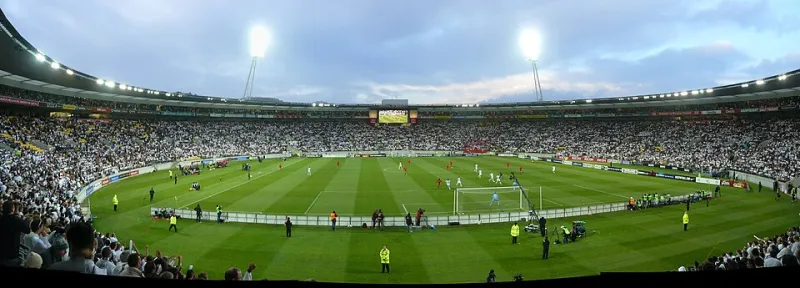
Photo: James at Uni, CC BY 2.0, via Wikimedia Commons
Let's be blunt about how sponsorship auctions usually go: a handful of brands circle one superstar athlete, the price climbs, and whoever wins ends up sharing that athlete's attention with six other sponsors, a shoe company, and whatever goes viral that weekend.
Meanwhile, there's a 65,000-seat asset sitting right there that almost everyone undervalues.
We'll say it plainly: the stadium is the most underrated marketing spend in American sports right now. And the brands figured that out first are quietly owning game day while everyone else fights over a single jersey patch.
The Athlete Rents Attention. The Venue Owns the Room.
Athlete partnerships are fantastic—we build them for a living. But let's be honest about their limits. An athlete's attention is rented. It fluctuates with performance, headlines, contract negotiations, and the inevitable trade nobody saw coming.
A venue is different. When your brand is woven into the building—the naming rights, the concourse experience, the halftime moment—you're part of the environment itself. Fans can mute a commercial. They can't mute the giant video board they're staring at during a timeout, or the activation they walked past on the way to their seats.
There's also a durability argument that gets ignored. Sign a marquee player and one ACL tear can gut your campaign. Sign the stadium and your brand is there for every game, every concert, every playoff run, for years. That's not to say pick venues over athletes across the board—it's to say the venue is the asset nobody's pricing correctly.
Every Seat Is a Content Studio Now
Here's where it gets really interesting. The modern stadium isn't just a place where games happen—it's a content factory.
Look at what's been built in the last few years: arenas designed with open sightlines specifically so fans can film shareable moments, clubs positioned as backdrops, lighting tuned for phone cameras. Fans at a game generate more social content in three hours than most brands produce in a quarter.
Smart sponsors have noticed. In-venue content studios—branded spaces where athletes, creators, and influencers record podcasts and postgame segments—are becoming the new luxury suite. Instead of hoping a broadcast camera catches your sign, you're literally hosting the content that gets made on site. The brand becomes the set, the sponsor becomes the story, and every clip that leaves the building carries your fingerprints.
That's a fundamentally different position than buying a 30-second ad. You're not interrupting the content. You are the infrastructure of the content.
Activation Beats Impression
The old metrics—impressions, logo exposure seconds—were always a bit of a polite fiction. What actually moves brands is experience. And there is no richer experience environment in America than a packed stadium on a Saturday night.
Think about what a venue partnership makes possible: interactive zones where fans try your product before they buy it, branded giveaways timed to crowd energy, AR experiences that turn a concourse into a playground, ticket packages that only your customers can access. None of that is passive. All of it creates memory, and memory is what drives preference when the purchase decision actually happens.
Compare that to the alternative: your logo sharing a screen with eleven other sponsors during a TV timeout. One of these approaches builds a relationship. The other builds brand wallpaper.
The Playbook for Getting In
If we're making the pitch—and we are—here's how brands should think about venue-first strategy:
- Start with the calendar, not the signage. The best venue partnerships map to a full year of events, not just home games. Concerts, tournaments, community nights—that's extra inventory most sponsors never ask about.
- Demand a content component. If the deal doesn't include rights to create and distribute content from the venue, you're buying the 2015 version of sponsorship.
- Design for the phone. Every activation should assume the fan's first instinct is to film it. Build moments that are worth filming.
- Think multi-year. Venue equity compounds. The longer fans associate your brand with their building, the deeper the loyalty runs.
Athletes will always be the headline, and rightly so. But headlines change daily. Buildings don't. The brands that understand that distinction aren't just buying ads—they're buying the stage, the crowd, and everything the crowd creates.
And in a market where everyone's bidding for the same ten faces, owning the stage might be the savviest play on the board.