Small Names, Big Returns: The Case for Signing Athletes Before Everyone Knows Them
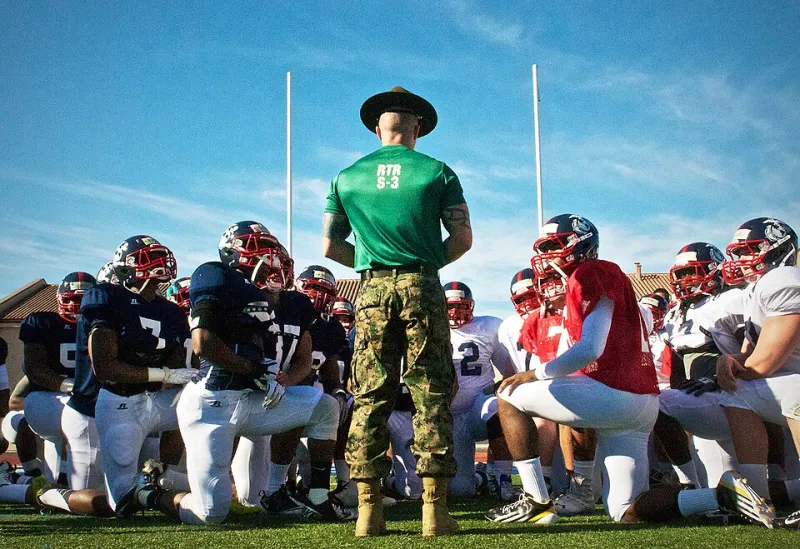
Photo: Marines from Arlington, VA, United States, Public domain, via Wikimedia Commons
There was a time when the playbook for sports sponsorship was simple: find the biggest name you could afford, write the check, and hope the halo effect did the rest. That playbook is gathering dust.
Across the American sports landscape, brands of every size are quietly redirecting sponsorship dollars away from household names and toward athletes most fans haven't heard of yet. Regional college stars. Olympic hopefuls in niche disciplines. Semi-pro athletes with fiercely loyal local followings. The industry has a name for them — micro-athletes — and the numbers behind the trend are hard to argue with.
The Math That Changed the Game
Start with the obvious: cost. A single national campaign featuring an A-list athlete can run into the seven figures before a single ad is produced. Meanwhile, a name, image, and likeness (NIL) deal with a standout athlete at a Power Five school might run anywhere from a few thousand dollars to the low six figures annually.
That price gap isn't just about savings — it's about optionality. For the cost of one superstar, a brand can build a portfolio of eight to twelve athletes across different regions, sports, and demographics. If one deal underperforms, the portfolio absorbs the hit. If two or three break out, the brand looks like it saw the future before anyone else did.
There's an engagement argument, too. A mega-star with 10 million followers might pull a 1-2% engagement rate. A mid-major basketball player or a competitive climber with 40,000 followers can regularly post engagement north of 8%. Smaller audiences, but audiences that actually listen — and buy.
Why Hyper-Local Beats Mass Appeal
Consider what happened when regional restaurant chains and credit unions started signing NIL deals with local college athletes. A quarterback at a Big Ten school promoting a burger joint in Columbus isn't competing with national brands for attention — he is the local attention. Fans who watch him every Saturday walk into the restaurant on Sunday.
This is the quiet genius of the micro-athlete strategy: relevance compounds. A national celebrity endorsement is wallpaper. A hometown hero endorsement is a conversation.
Brands in categories like fitness, automotive, insurance, and quick-service restaurants — categories that live or die on local market share — have been the fastest adopters. But national brands are catching on, using micro-athlete rosters as a testing ground before scaling the partnerships that show traction.
How Agencies Spot Tomorrow's Stars Today
The real question brands ask us isn't "why micro-athletes?" — it's "which ones?"
Identifying rising athletes before they break through is part data science, part old-school scouting. We look at a blend of signals:
- Performance trajectory: Is the athlete trending upward in their sport's competitive ladder, not just having one hot season?
- Audience quality: Follower counts lie. We dig into engagement authenticity, audience location, and demographic fit with the brand.
- Story potential: Does the athlete have a narrative — a comeback, an underdog arc, a distinctive personality — that media will want to amplify?
- Character and reliability: A scandal-prone athlete is a liability at any price. Vetting matters more at this level, not less.
- Content instincts: Athletes who already create engaging social content natively are worth three athletes who need a full production team.
The goal is to get in early, when the athlete is hungry and the price reflects potential rather than fame. When that athlete makes the national team or gets drafted, the brand that believed first gets the credit — and the loyalty.
Real Momentum, Real Examples
Look around and you'll see the shift everywhere. Beverage brands signing entire rosters of collegiate volleyball and softball players. Regional banks building their entire local marketing identity around university athletes. Supplement companies that abandoned celebrity deals entirely in favor of a deep bench of CrossFit, jiu-jitsu, and track athletes — athletes whose audiences trust their product recommendations precisely because they're practitioners, not pitchmen.
Even legacy brands are hedging. Rather than abandoning superstar deals, many now structure a two-tier approach: one anchor athlete for broad awareness, plus a portfolio of micro-athletes for engagement, conversion, and regional penetration.
The Window Is Open — For Now
Like any advantage in sports, this one has an expiration date. As more brands flood the NIL and niche-athlete space, prices are climbing and the best unknowns are getting signed earlier. The brands winning today are the ones that built scouting infrastructure and athlete relationships two years ago.
The lesson isn't that superstars are dead. It's that the smartest sponsorship strategy in American sports right now isn't about buying fame — it's about manufacturing it alongside the athlete, and sharing the upside when it arrives.
At Synergy Group Sports Marketing, that's the pitch we make to every brand that walks through the door: stop renting icons, start building them. The roster is out there. The question is whether you'll find the next one before your competitor does.