The CEO Wears Cleats Now: Why Athlete-Owned Brands Are the New Sponsorship Power Play
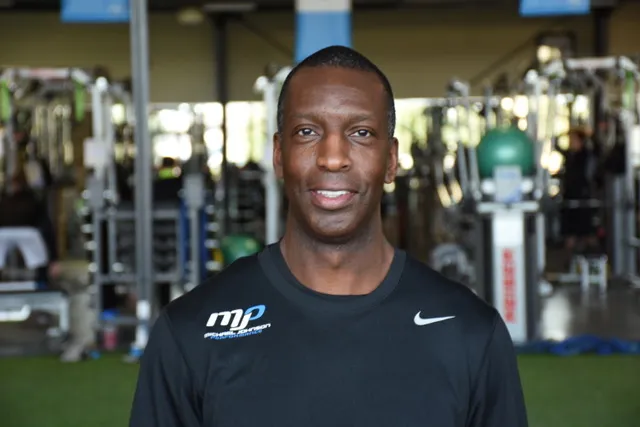
Photo: MJPUSA (M Johnson), CC BY-SA 4.0, via Wikimedia Commons
For decades, the sponsorship conversation started and ended the same way: brand writes check, athlete holds product, everybody smiles for the camera. That script is officially outdated. Today's elite athletes are walking into meetings with something no agency ever handed them — a P&L statement.
From Patrick Mahomes' stake in Whataburger-adjacent ventures to Kevin Hart's fitness empire and the endless wave of athlete-launched hot sauces, tequilas, and activewear lines, the modern star isn't just a pitchman. They're a founder. And that changes everything about how corporate America should be approaching the deal.
The Flip Nobody Saw Coming
The old model was simple: athlete rents out their likeness, brand runs the ads. The new model? Athlete builds a business, then courts brands as strategic partners, investors, or distribution channels. It's a complete reversal of leverage.
Consider what's happened in the beverage space alone. Athlete-owned alcohol brands, energy drinks, and hydration companies have spent the last five years proving they can compete on shelves — not just in commercials. When a company like that opens its cap table to a corporate backer, the brand isn't buying an endorsement. It's buying a seat at an increasingly valuable table, with an owner who has millions of followers and something even better: credibility that can't be Photoshopped.
Why Brands Should Care — A Lot
Let's be honest about what traditional endorsements deliver: awareness, a nice campaign, maybe a bump in social engagement. What they don't deliver is ownership of the upside. When you sponsor an athlete's venture instead of just their jersey, you're tied to the growth curve itself.
There's also the authenticity math. Fans can smell a phony endorsement from a mile away — we've all seen the awkward ad reads. But when a player genuinely owns the product they're pushing, every Instagram post, every sideline mention, every postgame quote carries real conviction. That's the kind of earned media money can't buy, because it isn't being bought. It's being built.
And here's the kicker for marketing departments watching their budgets: athlete-entrepreneurs tend to be hungrier partners. They show up for the activations. They answer the emails. This is their equity on the line, not just a rider in a contract.
The Case Studies Worth Studying
Look at the playbook that worked for athlete-led wellness and apparel brands over the past decade. The pattern repeats almost every time:
- Start with a genuine need. The best athlete-founded companies solve a problem the founder actually lived — recovery, nutrition, gear that didn't exist when they were coming up.
- Build proof before pitching. The ventures that landed major corporate partners didn't do it with a famous name alone. They showed revenue, retention, and a customer base that stuck around after the launch buzz faded.
- Invite the brand in as an operator, not just a wallet. The smartest deals bring corporate partners into distribution, product development, or retail strategy — areas where the brand has muscle the athlete lacks.
That last point is where Synergy Group spends a lot of its time with clients. A partnership where the brand contributes real capabilities — shelf space, supply chain, media buying — creates stickiness no standard endorsement ever achieves.
How to Position Yourself at the Table
So your brand wants in. Here's the honest advice: don't show up as a sponsor. Show up as a collaborator.
Start by doing your diligence like you would on any startup. Who's behind the venture day-to-day? Is there a real operating team, or is this a licensing arrangement with a logo slapped on? The difference matters enormously for how the partnership will perform.
Next, think about what you bring beyond capital. The athlete-entrepreneurs getting the best corporate deals are the ones who found partners offering something they couldn't build themselves. If your answer to "why us?" is just "we have money," you're going to lose to the brand that says "we have 4,000 retail doors and a media budget."
Finally, structure for the long game. Equity deals, revenue shares, and multi-year strategic partnerships beat a one-off campaign every time in this space. You're not renting an athlete. You're backing a founder.
The Bottom Line
The athletes coming up today watched every generation before them get paid for their faces while others profited from their fame. They've done the math, and they've decided they'd rather own the scoreboard than appear on it.
For brands, that's not a threat — it's the biggest opportunity in sports marketing right now. The players are building businesses. The question is whether your brand is smart enough to get in early, add real value, and grow alongside them.
The script has flipped. The best deals on the board right now aren't endorsements at all. They're partnerships with people who happen to be world-class athletes and world-class founders — and unlike the endorsement game, there's still plenty of room to get in before everyone else catches on.