Draft Rooms, Spreadsheets, and Sponsor Logos: The Quiet Rise of the Behind-the-Scenes Sponsorship
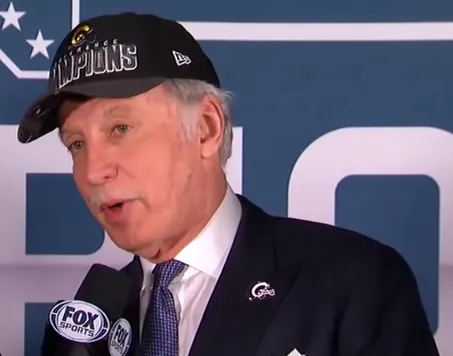
Photo: Fox Sports, CC BY-SA 3.0, via Wikimedia Commons
There's a hierarchy in sports marketing that everyone assumed was permanent. Jersey patches cost the most, so they're the best. Courtside seats, broadcast spots, stadium naming rights — the ladder climbs upward, and brands compete to grab whichever rung they can afford.
Then front offices started letting sponsors into the building. Not into a suite. Into the building.
Access Is the New Inventory
Ask around at the GM Meetings or the MLB Winter Meetings and you'll hear the same thing from team revenue people: traditional inventory is maxed out. There are only so many patches, so many sign boards, so many radio reads. But attention isn't capped by square footage — it's capped by curiosity.
That's why a growing number of teams have started treating their own operations as sponsorable real estate. An analytics department filming a 'How We Scouted That Series' segment with a presenting partner. A draft room livestream sponsored by a fintech app. An NFL team's cap-management podcast underwritten by a regional bank.
The pattern is simple: fans can't get enough of how the sausage gets made, and the brands underwriting that content get something a billboard can never deliver — association with competence. Your logo isn't next to the game. It's next to the thinking behind the game.
What Brands Actually Get Out of It
Strip away the gloss and an access-based deal delivers three things:
Credibility by proximity. When a software company appears in a segment about how a team's data science group built its pitching models, the implication is that this brand belongs in the room with serious professionals. That's a halo you can't buy with a 30-second spot.
Content with a long shelf life. A jumbotron ad lives for six seconds. A well-produced 'inside the draft prep' video series lives on YouTube forever, racking up views every spring when draft content spikes.
B2B door-openers. Here's the part most agencies undersell: the audience for behind-the-scenes content isn't just fans. It's other executives. A mid-market logistics firm that sponsors a team's scouting series is really marketing to every other company's procurement department watching it.
Where the Lines Are — And They're Real
Before anyone starts drafting a pitch deck, understand the guardrails, because they're strict and they should be.
Competitive information is off the table. No sponsor gets a peek at actual trade targets, contract strategy, or injury data before it's public. The content is about process, not secrets — how a front office thinks, not what it's deciding. Teams that blur this line risk losing competitive edge, and smart sponsors know a deal that compromises the product is a deal that dies fast.
Locker room trust is even more fragile. Players have to buy in, and the good ones understand their own media value. A sponsor who wants access to team meetings needs the players' association, the coaching staff, and usually the star athletes themselves comfortable with the cameras. That takes time, and it takes a brand that behaves like a guest, not an owner.
The Mid-Tier Play
Here's the part that should interest the brands reading this who don't have nine figures lying around: access deals are often cheaper than signage, because teams are still figuring out how to price them.
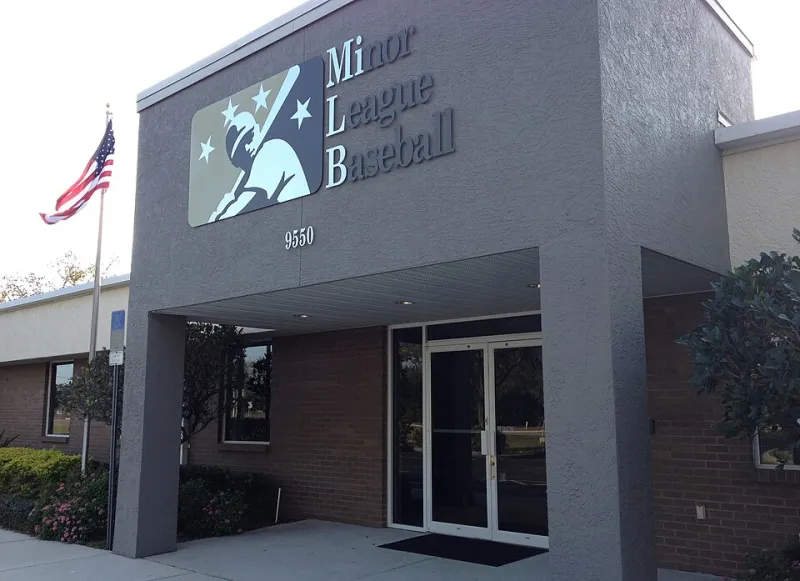
A minor league affiliate, an MLS club, a WNBA team — plenty of organizations would rather have a $75,000 content partnership with a company that will genuinely promote the series than $75,000 of static signage nobody photographs. The pitch almost writes itself:
- Lead with production capability, not just budget. Can you make the content good? That matters more than the check size.
- Propose a defined series — four episodes, one season, clear scope. Teams fear open-ended access requests; they embrace bounded ones.
- Promise promotion. Your owned channels, your email list, your executives' LinkedIn. The team isn't just selling access; they're buying your megaphone.
- Ask for less than you think. The exclusive rights to 'official analytics partner of the front office' sounds expensive. In many markets right now, it isn't — yet.
The Window Won't Stay Open
Every new sponsorship category starts underpriced. Naming rights used to be a novelty. Jersey patches were experimental once. The brands that win are the ones who show up while the pricing is still soft and the inventory is still fresh.
The war room is open. Somebody's going to walk through it. The only question is whether it's your logo on the lanyard.