Fur, Feathers, and Fee Structures: What the Mascot Economy Can Teach Your Next Sponsorship Buy
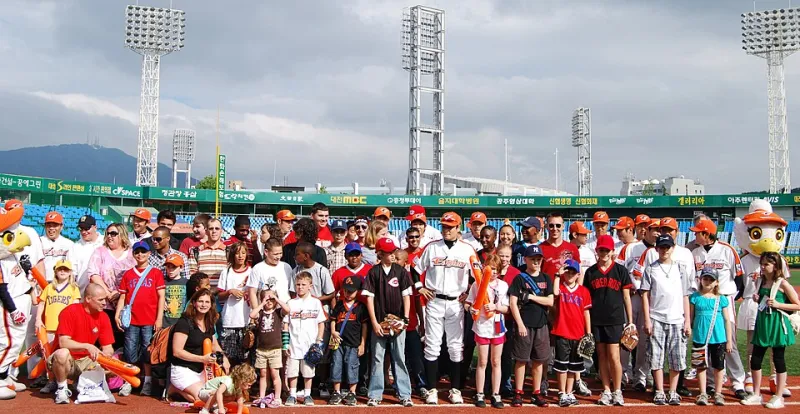
Photo: USAG-Humphreys, CC BY 2.0, via Wikimedia Commons
There's a person inside that dinosaur suit. There's also a rate card, an appearance contract, a liability rider, and — if the team is run well — a spreadsheet tracking every birthday party, car dealership ribbon-cutting, and community festival that dinosaur worked this year.
Professional sports mascots are one of the strangest, most underpriced assets in American sports marketing. Fans love them. Kids chase them. Local news cameras show up when they show up. And yet most brands have never once considered them as a sponsorship vehicle. That's a mistake worth unpacking.
The Mascot Is a Media Channel in a Foam Suit
Think about what a mascot actually delivers. A jersey patch sits still. A billboard sits stiller. A mascot moves, dances, hugs children, taunts opposing fans, and generates organic photos that end up on family group chats and local Facebook pages for free.
The costumed character is one of the only brand assets in sports that people actively seek out. Nobody walks through a stadium concourse hoping to run into a banner ad. Kids sprint toward the mascot every single night.
That's earned media wearing a costume — and unlike most earned media, it's schedulable.
How the Money Actually Works
Behind the scenes, mascot appearances run on a tiered fee structure that would look familiar to any talent agent.
Team-controlled appearances — in-stadium activations, community events the franchise attends — are usually bundled into existing sponsorship packages. If you're a mid-tier sponsor, getting the mascot at your giveaway night is often a phone call away, not a line item.
Independent appearances are where it gets interesting. Birthday parties, corporate events, grand openings, county fairs. Depending on the market and the team's brand strength, these can run anywhere from a few hundred dollars for a local minor league character to four or even five figures for a beloved NBA or MLB mascot with national recognition.
Teams typically negotiate exclusivity clauses too — a mascot can't show up at two competing car dealerships in the same week, and sometimes not in the same season. That scarcity is real pricing power, and most brands never think to ask about it.
There's also a human element that affects the economics: the performer inside the suit. Good mascot performers are athletes of a sort, with physical stamina, improv instincts, and crowd-reading skills. Teams that invest in their performers see it show up in the asset's value. Teams that hand the suit to whoever's available... don't.
Measuring Goodwill Per Dollar
Here's the pitch we'd make to a mid-size brand: compare cost per meaningful impression.
A regional TV buy might reach a lot of eyeballs, but how many of those viewers remember your name by Friday? A mascot appearance at a youth sports tournament delivers maybe a few hundred direct interactions — but every single one is positive, face-to-face, photographed, and attached to a moment families genuinely enjoy.
Sponsorship researchers have long noted that mascot and character associations drive unusually high recall and affinity, particularly with families. The mascot becomes a trust shortcut. When your logo shows up next to a character a kid adores, you inherit some of that warmth. Try buying that with a pre-roll ad.
The measurement playbook is straightforward:
- Track appearance-driven social tags and photo shares
- Survey brand recall at events versus control markets
- Count lead captures at mascot-attended activations versus non-mascot ones
- Monitor local press pickups, which mascots attract at a rate most spokespeople would envy
How Mid-Size Brands Get in the Game
You don't need an NBA budget to play here. The minor leagues are the value play of the decade — costumed characters with devoted local followings, appearance fees that fit a small business marketing budget, and front offices hungry for sponsors who show up consistently.
A few practical moves:
Start with community appearances, not game nights. A mascot showing up at your store opening generates more direct business than a logo on the outfield wall.
Ask about exclusivity early. If your competitor holds mascot rights in your category, that's a negotiation conversation, not a dead end — many teams structure rotating or event-specific rights.
Think seasonally. Mascots have off-seasons and in-seasons. Summer festival circuits and holiday events often have open calendars at better rates.
Bundle smartly. The best value usually isn't the mascot alone — it's the mascot plus a sponsored segment plus social content rights in one package.
The Bottom Line
Sports sponsorship conversations default to the glamorous assets: naming rights, jersey patches, athlete endorsements. Meanwhile, a person in a bird costume is out there generating more genuine goodwill per dollar than half the traditional buys in the market.
The brands that figure this out first — especially the regional and mid-size players who can't compete on patch pricing — will lock up relationships with the most beloved characters in their local markets. The rest will be wondering why the other guy's booth always has a line.
The suit is available. The question is whether you'll ask about the rate card before your competitor does.