The Podium Is Cheaper Than the Playbook: Why Postgame Media Availabilities Are Sponsorship's Best Kept Real Estate
There's a moment every night of the sports calendar that nobody plans around. The game ends. The cameras that followed the walk-off homer or the buzzer-beater pack up half their gear. And then a head coach, still sweating through his polo, walks into a small room, sits behind a folding table, and talks for eight minutes.
Nobody's tuning in for drama. Nobody's clipping it for SportsCenter. And that's exactly the point.
At Synergy Group Sports Marketing, we spend a lot of time telling clients to stop chasing the spotlight and start buying the hallway outside it. Postgame pressers, pre-practice media availabilities, injury day scrums — these are the most repeatable, most affordable, and most underpriced placements in American sports. And almost nobody has a strategy for them.
The Math Nobody's Running
Here's a thought experiment. A mid-market MLB club plays 81 home games. Every single one ends with a manager press conference. Add in pregame availability, a weekly radio hit, and a couple of injury updates, and you're looking at well over 200 branded media moments per season — per team.
Now compare that to a jersey patch, a stadium naming rights deal, or a 30-second spot during the national broadcast. Those placements cost seven and eight figures. The backdrop behind a manager's folding table? In most markets, you can sponsor that for the price of a decent local TV campaign.
The compounding effect is what sells it. One press conference is a blip. Two hundred of them across a season, with the same logo sitting quietly behind the same tired manager answering the same tired question about the bullpen, builds something no single spot can: familiarity without interruption. Fans aren't being sold to. They're just... absorbing.
Low Glare, High Frequency
The best ambient sponsorship works like wallpaper that you slowly grow fond of. Think about the branded water cooler on an NFL sideline or the sponsor logo on the scorer's table. You couldn't tell us who bought those placements, but you've seen them a thousand times.
Media availabilities follow the same logic with one bonus: they get distributed. Local affiliates run postgame soundbites. Team beat writers embed the full video. Podcasts clip the juicy 20 seconds. Every one of those cuts carries the backdrop with it. Your brand rides along into highlight packages, Twitter threads, and YouTube compilations — for free, every single night.
We call this the echo effect. You're not paying for the eight minutes at the podium. You're paying for the eight hundred times those eight minutes get rewatched, quoted, and reframed across the feed.
The Athlete Angle: Bundle the Backdrop
Here's where agencies like ours earn their keep. Most athlete endorsement contracts are written around the glamorous stuff — social posts, appearances, jersey rights. Almost none of them address the athlete's own media obligations.
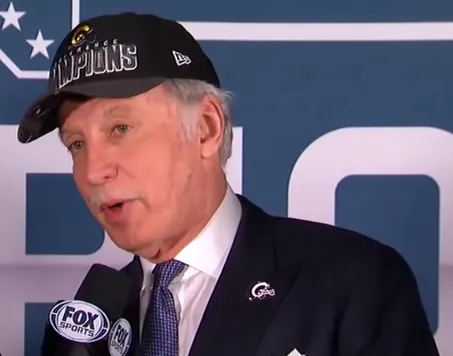
But every star in every league does routine availabilities. A cap worn to a postgame scrum. A water bottle with your label sitting next to the mic. A subtle brand pin on the quarter-zip during a shootaround interview. None of it violates league uniform policies. All of it is negotiable.
The play is simple: when you're structuring an athlete deal, write the routine media moments into the contract. Bundle backdrop branding into the same agreement. An NBA sixth man doing 82 postgame availabilities in your branded apparel is worth more over a season than one Instagram post — and costs a fraction of what an Instagram post from an All-Star runs.
Why the Market Hasn't Caught Up
Three reasons, honestly.
First, prestige bias. Brands want the spotlight placement because it photographs well in the quarterly deck. Nobody gets promoted for buying the press conference backdrop.
Second, fragmentation. These moments are owned by a messy mix of teams, leagues, and individual athletes. There's no single sales desk selling "all postgame media in the metro area." You have to build the package yourself — which, conveniently, is our job.
Third, patience. This strategy pays off over a full season, not a single campaign flight. In an era where CMOs average shorter tenures than backup catchers, slow-burn brand building is a hard internal sell. That's your opportunity. The brands willing to play the long game are buying these placements at 2020 prices.
Start Small, Scale Smart
If you're a brand looking in, here's the entry-level play we recommend: pick one team in your core market, one routine availability (postgame is usually best — highest clip volume), and one season. Sponsor the backdrop, bundle two athletes' media wardrobe rights, and measure share of voice in local coverage versus spend.
We'd bet the over. The quiet corners of sports media are where attention lives without resistance — and where smart money goes before everyone else finds the door.
The game gets the highlights. The press conference gets the partnership. Own the room nobody's watching, and let the audience find you there, night after night.