Stuck in the Clubhouse, Stuck in the Feed: Why Rain Delays Are the Best Free Media in Sports
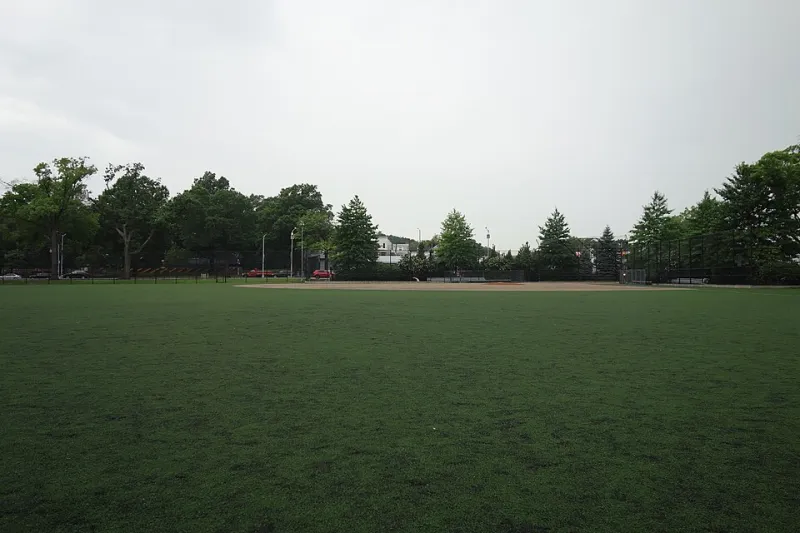
Photo: Tdorante10, CC BY-SA 4.0, via Wikimedia Commons
Every sponsor has lived the nightmare version: you've booked activation staff, printed signage, prepped giveaways, and then the sky opens up. The game slips three hours. Your brand team stares at a radar map like it owes them money.
Here's the reframe that separates amateur sponsors from pros: nobody went home. The 30,000 fans in the stands are still there, huddled under the concourse, refreshing their phones. The TV audience hasn't changed the channel — there's nothing else live to change it to. Rain doesn't delete attention. It just concentrates it.
Boredom Is a Target Audience
Think about what a delay actually looks like from the fan's side. Two hours of nothing. Concession lines. Kids climbing railings. A stadium full of people with nothing to do but scroll — and, crucially, nothing to scroll to, because the game they came for is on hold.
That's not dead air. That's the most captive audience in American sports, and it's practically unsold inventory. The brands that treat a delay as a scheduling problem miss it. The brands that treat it as a media buy — one they already paid for — win it.
Quick Hits That Actually Happened
The playbook already exists in pieces. When weather pushed back a Yankees game a few seasons back, the team's social crew leaned into it with memes and tarp-cam content that outperformed their typical game-day posts by miles. Minor league baseball clubs — the undisputed champions of this craft — routinely run delayed trivia, impromptu giveaway drops, and "find the mascot" scavenger hunts that turn a soggy crowd into a engaged one.
On the sponsor side, the smart plays share a pattern: low production, high speed. A beverage brand that tweets "first 500 people to the left field gate get a cold one on us — you've earned it" during a delay buys more goodwill than a season of static signage. A regional retailer that pushes a push-notification discount keyed to the delay code turns a weather event into a same-day sales spike.
The common thread? None of it was planned as a polished campaign. All of it was planned for.
Build the Delay Protocol Into the Contract
Here's where the sponsorship strategy comes in. Most deals specify signage, broadcast mentions, and activation dates — and say absolutely nothing about what happens when the event doesn't go as scheduled. That's a gap you can close on paper before the season starts.
A solid delay protocol should cover:
- Approval speed. Negotiate a fast-track content approval lane — 15 minutes, not 15 hours. Real-time content dies in legal review.
- Pre-cleared creative. Draft delay-themed social copy, memes, and offer language in the offseason. Store it, timestamped and ready.
- Inventory flexibility. If the activation doesn't run, it converts — to digital impressions, a rescheduled date, or a make-good giveaway.
- Giveaway triggers. A budgeted "delay fund" the brand can deploy on the spot: free concessions, discounted merch codes, surprise drops.
- Postponement rights. If the game moves to a doubleheader or makeup date, your assets move with it — automatically.
None of this costs extra. It just requires someone at the negotiating table who's watched a tarp come out and thought, there's money in that.
The Authenticity Dividend
There's a deeper reason delay content works, and it's not just captive eyeballs. Fans can smell a canned brand post from a mile away. But a sponsor cracking a joke about the weather, handing out ponchos, or buying the crowd a round during a two-hour hold? That reads as human. It's the brand equivalent of sitting in the same wet bleachers they are.
Earned media doesn't get more organic than a fan photographing your giveaway and posting it themselves. That's third-party validation you can't buy — because technically, you didn't. You just showed up when everyone else packed up.
The Bottom Line
Weather is the one variable no sponsor can control. But the response to it is entirely a choice, and the brands that write that response into their contracts before opening day are the ones collecting the impressions when the clouds roll in.
Stop budgeting for the game. Start budgeting for the delay. The forecast is unpredictable — your protocol shouldn't be.