The Understudy Economy: How Backup Players Became Sponsorship's Best Kept Secret
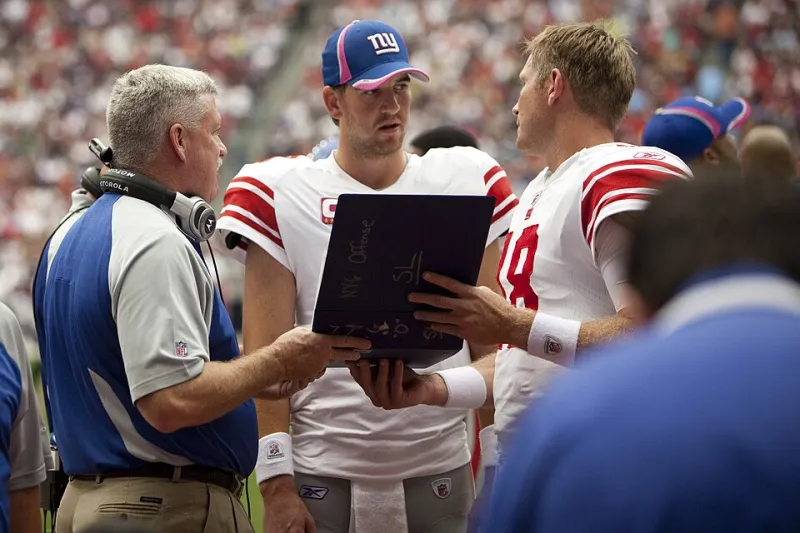
Photo: AJ Guel, CC BY 2.0, via Wikimedia Commons
Every marketing VP in America can name the face of a franchise. Very few can name the guy who's been backing him up for three seasons, learning the playbook, mentoring the rookie, and quietly building one of the most loyal followings in the building.
That's the gap. And gaps like that are where smart sponsorship dollars go to multiply.
The Economics of Sitting Down
Start with the obvious: price. A franchise quarterback's endorsement rate reflects years of premium positioning, competing suitors, and an agent who knows exactly what the market will bear. The backup? Often a fraction of that cost, with a fraction of the competition for his time.
But cheap isn't the pitch. Access is the pitch.
Stars are buffered. They've got media handlers, scheduled availability windows, and a hundred brands already in line. Role players and second-stringers are hungry and reachable. They'll show up at your store opening. They'll reply to the small business owner who DMs them. They'll do the local car dealership spot that a starter wouldn't return a call for — and they'll do it with genuine enthusiasm, because nobody's taught them yet to be guarded.
For a mid-sized brand that can't compete with national players for A-list talent, that accessibility isn't a consolation prize. It's the whole product.
The Grit Narrative Writes Itself
Here's the uncomfortable truth about superstar endorsements: the story is usually finished. The Heisman was won. The championship parade happened. You're buying a monument.
Backup athletes offer something rarer — an unfinished story.
The undrafted free agent grinding through special teams. The sixth man who's spent four years behind an All-Star, waiting. The rookie buried on a depth chart who's one practice-squad performance from going viral. American sports culture is practically engineered to love these arcs. Think Kurt Warner bagging groceries before the Rams called. Think of every "next man up" moment that turned an anonymous jersey into a household name mid-season.
When you sign the understudy, you're not sponsoring an athlete. You're sponsoring a plotline — and your brand gets written into it from chapter one.
Who's Already Doing This Right
The playbook exists. Insurance and financial services brands have long partnered with career backups and special-teams stalwarts precisely because their reliability narrative mirrors the product pitch: steady, prepared, always ready when the moment comes.
Regional brands have built entire seasonal campaigns around local role players — the long-snapper who coaches youth camps, the backup point guard who's been in town a decade and actually lives there year-round. That hometown permanence is something a transient superstar can't fake, and audiences can smell the difference.
The pattern across all of them: the brand didn't buy fame. It bought character, availability, and an option on the future.
A Framework for Scouting the Bench
So how do you find the second-stringer who's one snap from stardom? We use a simple four-factor screen:
1. Depth chart fragility. Is the starter ahead of them old, injury-prone, or in a contract year? A 33-year-old starter with two surgically repaired knees is an opportunity generator.
2. Practice-scout buzz. Coaches and beat reporters constantly signal which backups are "forcing the conversation." If the local beat writer has written two "don't be surprised if..." pieces, the market hasn't priced it in yet.
3. Fan affinity score. Some bench players are beloved out of proportion to their playing time — the hustle guy, the locker-room leader, the fan favorite who signs autographs for an hour. That affection transfers to brands almost instantly.
4. Media fluency. Can they tell their story? A backup with podcast comfort and self-awareness can build a national following from a smaller platform than any starter with a boring soundbite.
Score athletes on all four, and the ones who clear the bar tend to stay cleared — because the qualities that make a great backup ambassador (preparedness, resilience, likability) are the same qualities that make a breakout star marketable when the moment arrives.
The Exit Strategy Is Built In
Here's the kicker that makes this a strategy rather than a punt: if the breakout never comes, you've paid a modest rate for a genuinely likable, hyper-accessible ambassador with a loyal niche following. If the breakout does come, you own a relationship with a household name at a rate signed before anyone knew the name.
That asymmetry — limited downside, uncapped upside — is the kind of trade every brand claims to want and almost none actually make, because the instinct is always to chase the finished product at finished-product prices.
The bench is where the value hides. It always has been. The brands that figure that out before their competitors do won't just save money on the deal.
They'll get to say they believed first — and in sports marketing, belief is the one asset you can't buy at any price after the fact.