Between Games and Between Sales: The Weekend Goldmine Hiding in Youth Travel Ball
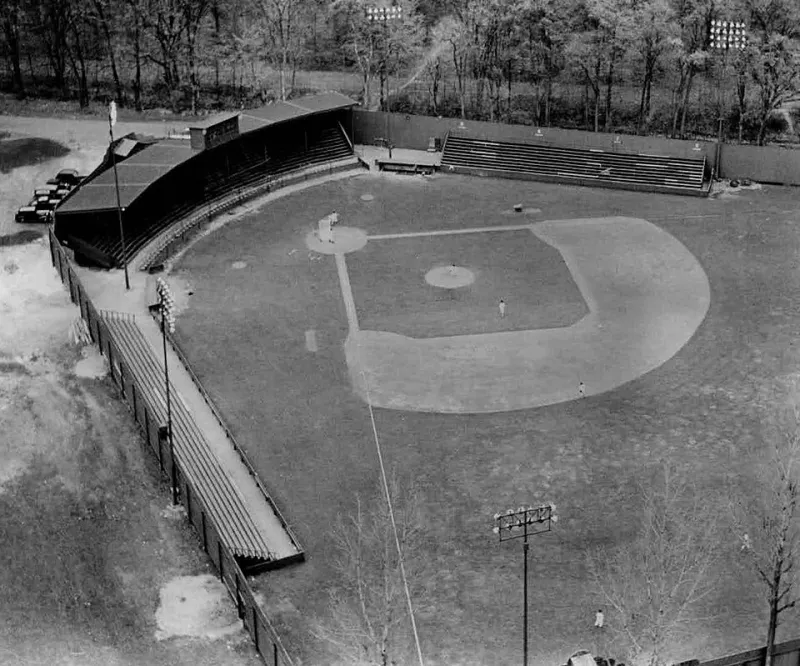
Photo: Unknown authorUnknown author, Public domain, via Wikimedia Commons
Pull into any large youth sports complex on a Saturday morning in June and you'll see it before you even park: the sea of SUVs, the coolers, the folding wagons loaded with helmets, gloves, and enough Gatorade to hydrate a small militia. Welcome to travel ball — the most reliable weekend economy in American youth sports, and quite possibly the most overlooked sponsorship opportunity your brand isn't buying yet.
The Parent Economy, By the Numbers
Let's start with the math that should get your CFO's attention. A typical national-level travel tournament draws between 80 and 200 teams. Multiply that by an average roster of 12 kids, then by parents, siblings, and grandparents — and you're looking at a crowd of 8,000 to 15,000 people per weekend, per venue. These aren't casual passersby. They're captive. They've committed their entire weekend, often traveling three to five hours and booking hotel blocks months in advance.
Industry estimates put annual family spending on youth travel sports north of $19 billion nationally, and the bulk of that flows through on tournament weekends: concession stands, hotel stays, restaurant runs, and — critically — impulse purchases at vendor row. The average tournament family spends between $150 and $400 per weekend on-site. Now compare that dwell time and per-capita spend to a billboard on the interstate, and the ROI conversation starts writing itself.
What Vendor Row Actually Costs
Here's where it gets interesting for brands. A 10x10 booth space at a major regional tournament typically runs $300 to $1,500 for the weekend, depending on the circuit and expected attendance. National championship events can push higher, but even the premium tiers are a rounding error compared to a single digital ad flight in most metro markets.
What do vendors actually sell? The smart ones sell relief, not merch. Sunscreen, phone chargers, blister patches, cold brew, chair massages for parents who've been sitting on metal bleachers since 7 a.m. One apparel brand we tracked ran a monogramming station at a Midwest baseball circuit — bring your team hoodie, get it stitched on-site — and collected email addresses at a conversion rate most e-commerce marketers would trade a limb for.
Which Circuits Deliver
Not all tournaments are created equal, and this is where a little scouting pays off. A few circuits consistently over-deliver for consumer brands:
- Perfect Game (baseball) — The gold standard for travel baseball. Their Fort Myers and East Cobb events draw college coaches, which means drawn-out weekends, bigger family crowds, and more downtime between games.
- Triple Crown Sports (softball and baseball) — Heavy Colorado, Texas, and Florida footprints with resort-style complexes designed for all-day stays. Parents can't leave even if they wanted to. That's dwell time.
- ECNL and GA (girls soccer) — If your brand is targeting the fastest-growing segment of youth sports spending, this is the circuit. Girls travel soccer families skew toward higher household income and strong brand loyalty once won.
- AAU circuits (basketball) — July's live periods draw thousands of families to convention-center-adjacent venues in places like Louisville and Kansas City, where vendor infrastructure already exists.
The Hospitality Play
Booth space is the entry point, but the real value is in hospitality partnerships. Tournament operators are perpetually hungry for sponsors who improve the parent experience: shaded seating zones, phone-charging stations, free coffee at the 8 a.m. bracket. These activations typically cost more than a bare booth but generate exponentially more goodwill and brand recall. A charging station with your logo on it gets photographed and posted by parents. Your banner on a fence does not.
How to Test the Waters
Our advice to brands considering the space: start with two tournaments in one region, not twelve. Pick a circuit, run a measurable activation — a coupon code, a QR giveaway, an email capture — and treat the weekend like a live focus group. You'll learn more about your target customer in two days of tournament ball than in a quarter of paid social.
Travel ball's summer calendar runs May through early August, and premium vendor slots for the biggest events fill by early spring. The brands that figure this out first will lock in the best locations, the best circuits, and the best rates. The parents will be there either way. The only question is whether they'll be spending that $300 weekend with your brand in the picture — or someone else's.